
Better Health
Foundational Health is a Right, Not a Privilege
Many children lack access to behavioral specialists or private healthcare. The Breathe Better initiative levels the playing field.
We are bridging the gap in pediatric health by giving every child the neurological tools to self-regulate, ground their nervous system, and build lifelong mental resilience through a bottom's up approach..
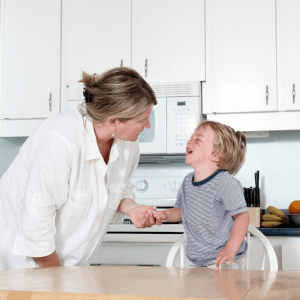
Top Down Approaches
Relies on the thinking brain (the prefrontal cortex) to process logic, words, and instructions.
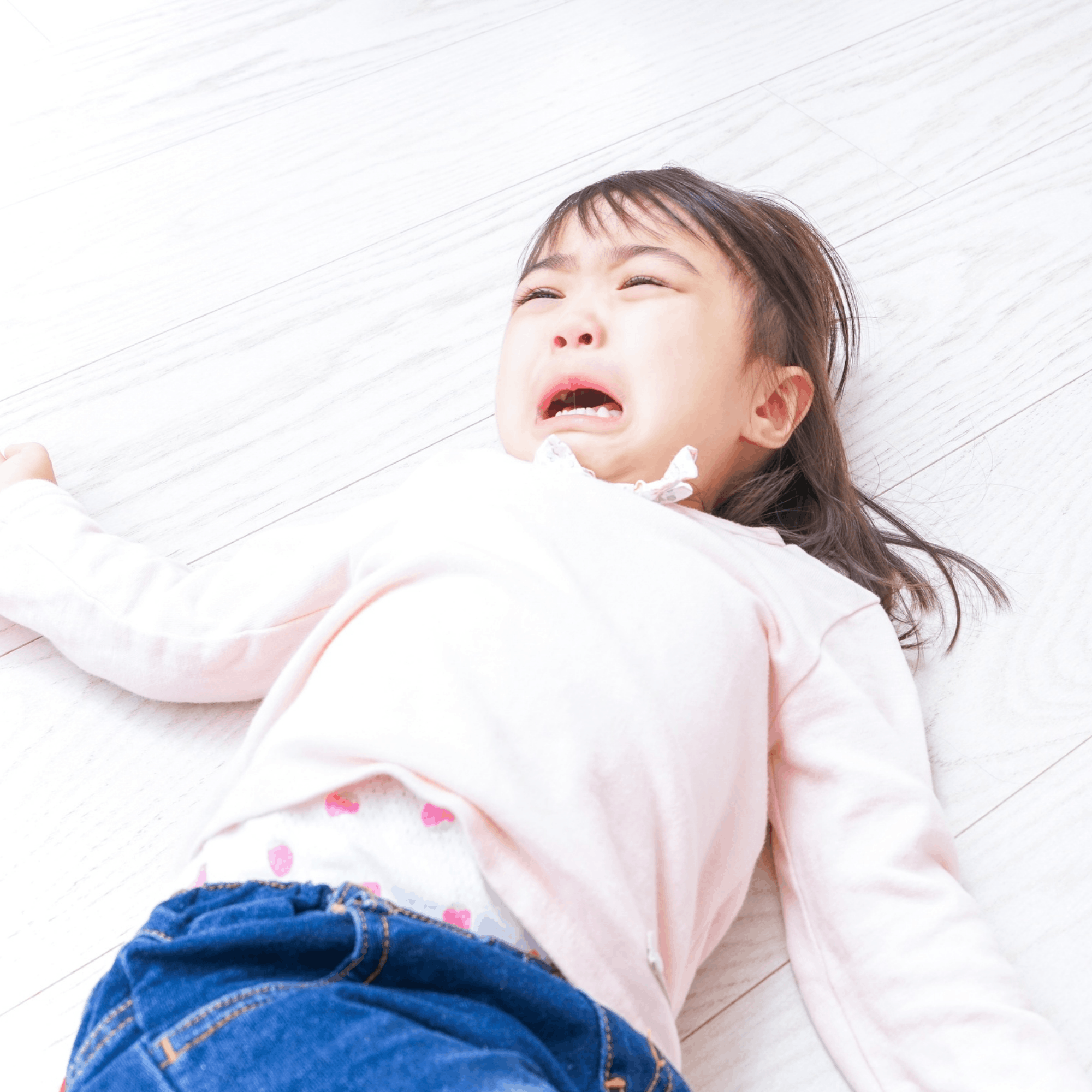
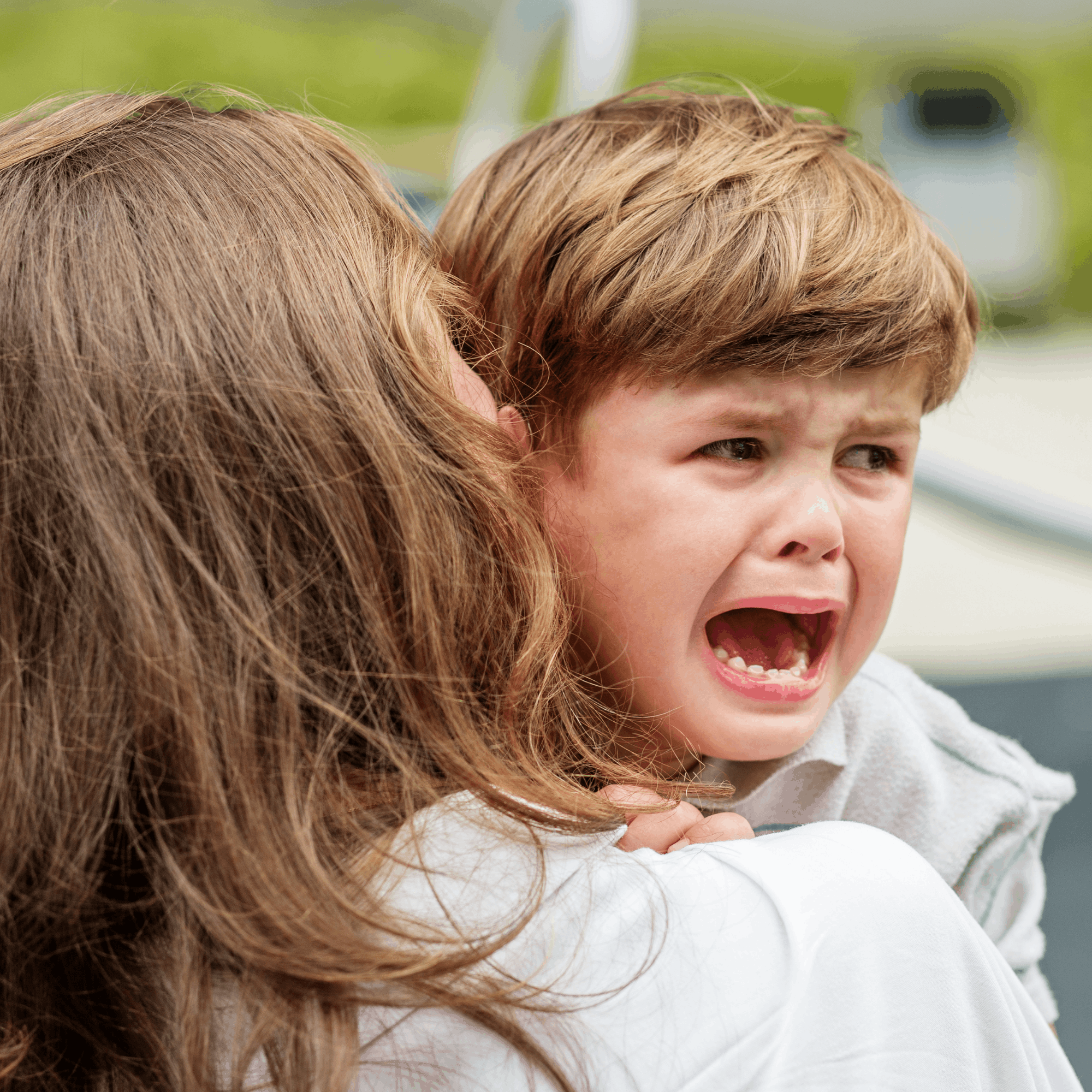
- The Problem: When a child is dysregulated or in a meltdown, the thinking brain goes offline. You cannot “talk” a child out of a physiological storm.
- Top-Down (Fails during stress): Asking a child to “remember their breathing exercises” or “tell me what’s wrong.”
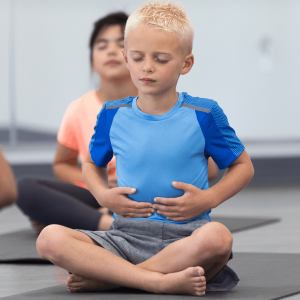
Bottoms Up Approaches
Relies on the body to calm the brain by lowering carbon dioxide levels and jump starting the parasympathetic system (our rest/ digest cycle).
- The Solution: By using the WeBe Kalm to facilitate the Cyclic Sigh, we communicate directly with the autonomic nervous system via the Vagus Nerve.
- Bottoms-Up (Succeeds during stress): Using a tactile, visual tool to physically force a change in heart rate and oxygen exchange.
Why It Works When Words Fail
When a child is overstimulated or in the middle of an autism meltdown, "taking a deep breath" is a verbal command they literally cannot process. Their nervous system is screaming. The WeBe Kalm acts as a sensory circuit breaker by engaging three distinct neurological pathways at once:
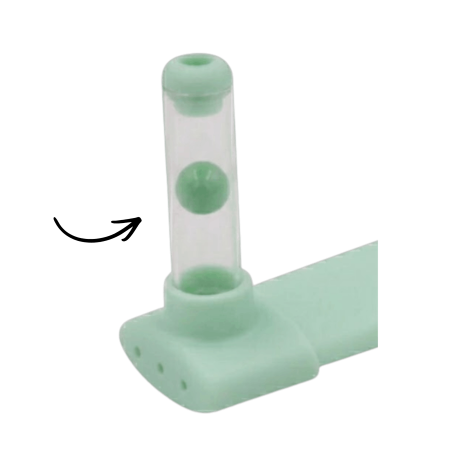
Visual Anchoring
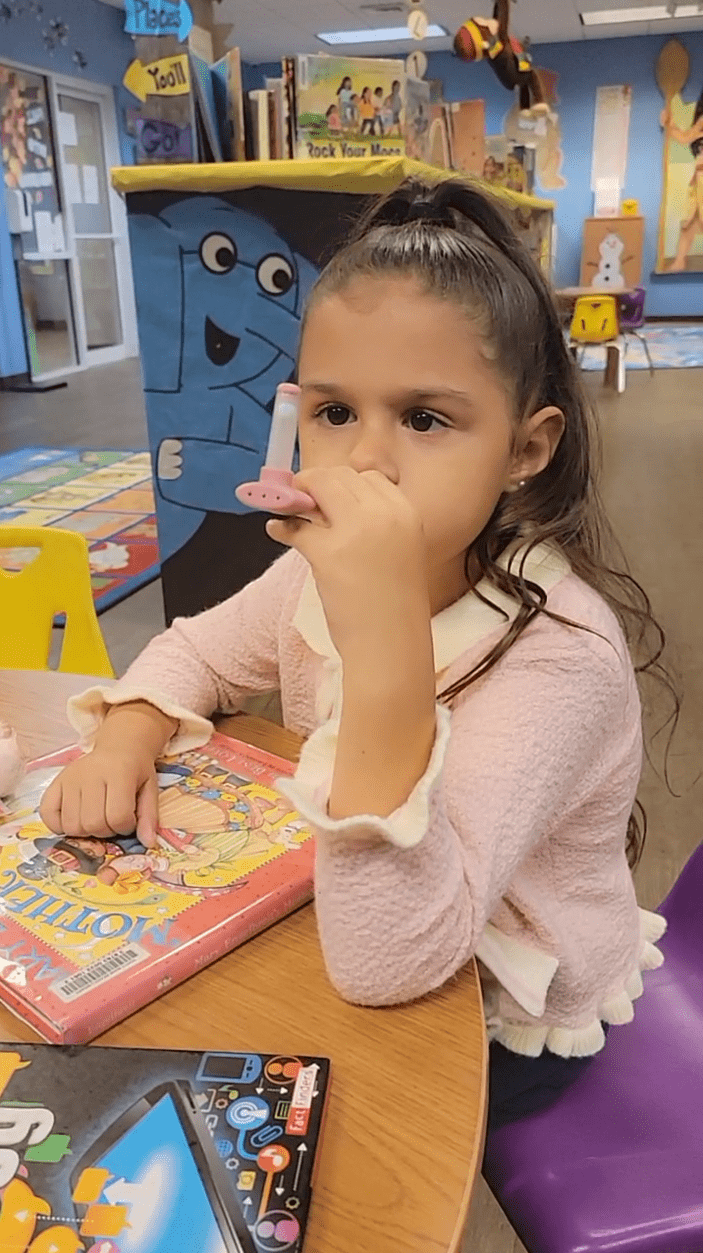
In a sensory storm, a child’s vision often becomes scattered. The floating ball provides a single point of focus.
- The Benefit: By tracking the ball’s movement, the child’s brain begins to “filter out” the overwhelming environment (the bright lights of a grocery store or the noise of a classroom) and narrow its focus to one predictable, rhythmic object.
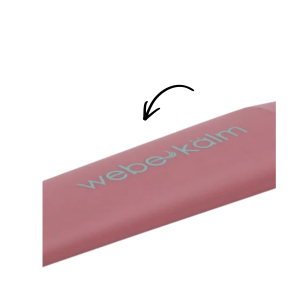
Tactile Grounding
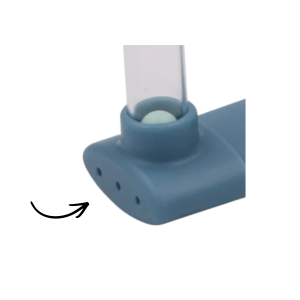
The WeBe Kalm is designed with a specific weight and textured surface.
- The Benefit: Holding a physical object provides proprioceptive input (awareness of the body in space). The gentle vibration or texture against the palm helps “ground” the child, pulling them out of an internal emotional spiral and back into their physical body.
Controlled Feedback
This is the only tool that gives a child real-time proof of their breath.
- The Benefit: To keep the ball in the air, the child must maintain a steady, resisted exhale. This naturally slows the heart rate. Unlike a screen that does the work for them, the WeBe Kalm requires the child to physically participate in their own calming process, transforming a terrifying loss of control into a mastered skill.
Why It Works:
The Science of the Cyclic Sigh
The WeBe Kalm isn’t just a toy; it’s a neurological training tool. It utilizes the Cyclic Sigh; the fastest physiological way to flip the switch from Fight or Flight to Rest and Digest.
Visual Focus: During a tantrum, children lose control. The floating ball gives them a physical object to track, grounding their senses immediately.
Guided Breathing: To keep the ball hovering, the child must perform a long, controlled exhale. This signals the Vagus Nerve to lower the heart rate.
Neurological Reset: This double-inhale/extended-exhale pattern resets the nervous system, building long-term emotional resiliency.
Use science to turn a “toy” into a neurological tool.
Equity in Education: Access for All
Many children lack access to behavioral specialists or private healthcare. The Breathe Better initiative levels the playing field. By integrating these tools directly into the classroom, we ensure that every student; regardless of zip code, graduates with the foundational mental and physical health skills needed to navigate a high-stress world.
Why We Love It:
- No whirring, clicking, or electronics. Perfect for classrooms, libraries, and quiet aisles.
- Always ready to go. No charging cables or addictive blue light.
- Compact and durable for car seats, grocery store trips, and airplanes.
- Made from medical-grade materials and 100% dishwasher safe.
Longer Exhalations Activate the Parasympathetic Nervous System
Slow exhalation increases vagal activity and reduces heart rate
(Noble & Hochman, 2019, Frontiers in Human Neuroscience)Breathing at a slow pace stabilizes autonomic function
(Zaccaro et al., 2018, Frontiers in Human Neuroscience)
Respiratory Biofeedback for Children Improves Self-Regulation
Biofeedback-based breathing tools support emotional regulation in youth
(Sherlin et al., 2009, Applied Psychophysiology and Biofeedback)
Paced Breathing Enhances Cognitive Control in Children
Controlled breathing improves attention and emotional control
(Khng, 2017, Psychophysiology)
Multisensory Breathing Aids (like Webe) Improve Skill Adoption
Children learn regulation skills faster with tactile or visual pacing tools
(Laufer et al., 2021, Mindfulness)
Florida State Board of Education Resiliency Education Standards:
Benchmark: RS.1.A.1 – Identify and demonstrate coping strategies used to manage strong emotions.
Students practice a concrete coping skill: long-exhale breathing.
Webes allow demonstration and mastery, as well as mitigation tools for in class disruptions.
Benchmark: RS.1.B.1 – Demonstrate self-awareness and regulation strategies.
Students learn to notice body sensations before/after breathing.
Benchmark: RS.2.A.1 – Demonstrate strategies that build resilience through self-regulation.
Long exhalation = foundational resilience skill: calming the nervous system to recover from stress.
Benchmark: RS.3.A.1 – Recognize skills that help with perseverance and problem-solving.
Breathing for calm → better focus → more resilient thinking.
Florida Mental Health Education Requirements (Rule 6A-1.094124)
Area 1: Recognizing and managing emotions.
Students practice identifying bodily stress signals.
Area 2: Preventing and reducing anxiety and stress.
Long-exhale breathing is an evidence-based stress reduction tool.
Area 3: Developing resilience and coping.
Breathing becomes a daily self-regulation strategy.
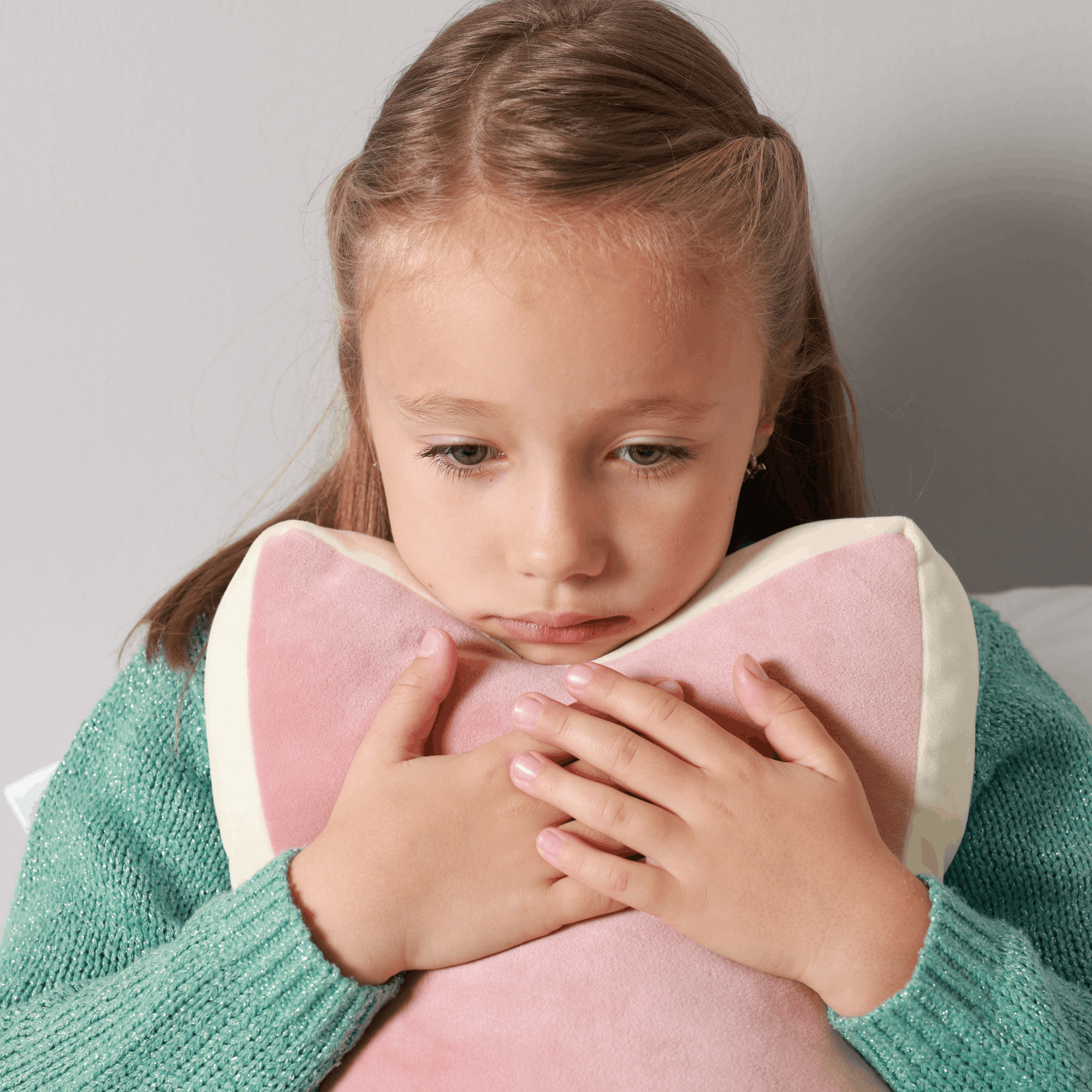
We're building skills for lifelong health
By changing the body’s physiology first, the brain naturally follows. This biological shortcut is what allows a child to return to a state of safety in seconds, rather than minutes or hours.
We’re helping build that skill in people earlier than ever.
You can't talk a child out of a tantrum.
They have to calm the body first.
